2025 Financing Options That Make Granny Pods Affordable
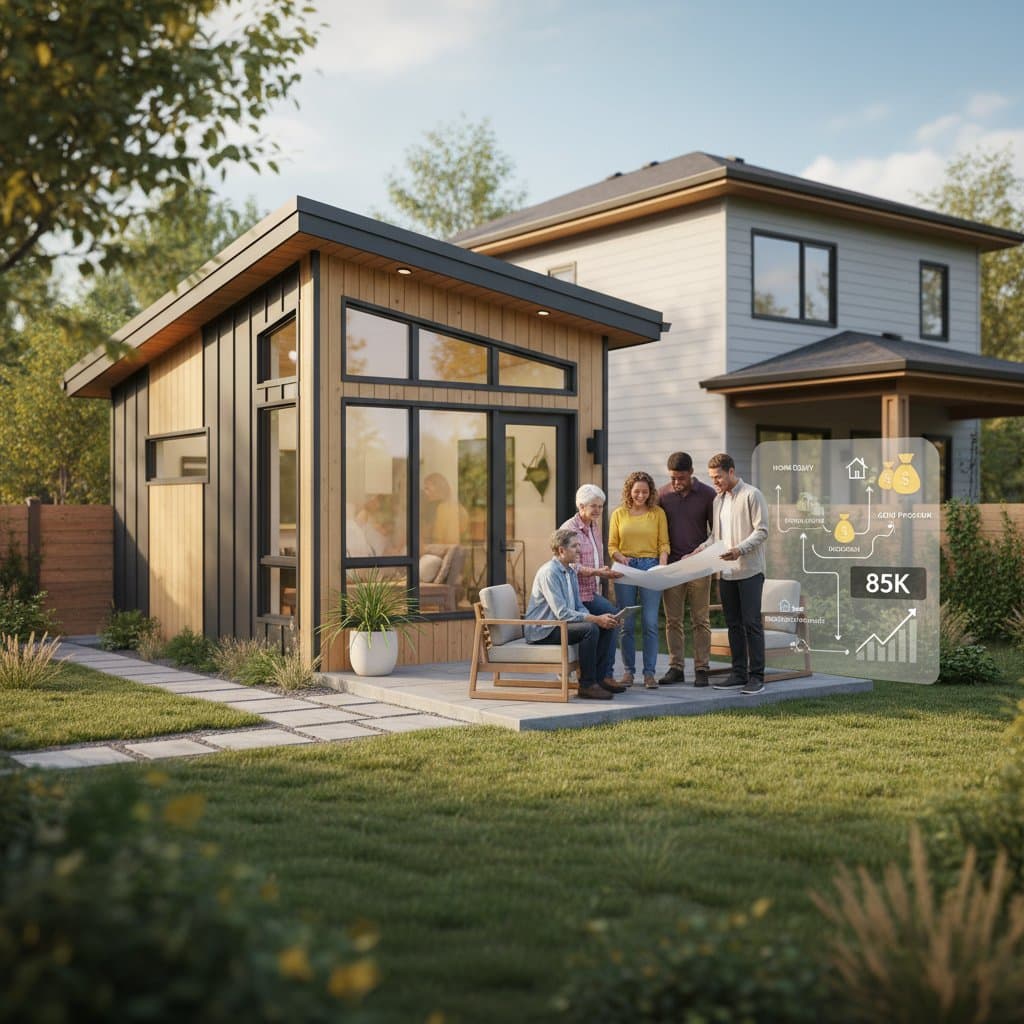
Home improvement projects that expand living space for family members often present challenges. The concept of a backyard cottage offers an ideal solution for aging parents who wish to remain nearby while maintaining independence. However, securing funding has historically posed obstacles. Granny pods, known also as backyard cottages or accessory dwelling units (ADUs), continue to increase in popularity. Lenders and housing initiatives now provide multiple practical pathways to affordability.
Understanding the Real Costs
A clear grasp of expenses precedes effective financing decisions. These structures demand professional construction, including foundations, insulation, plumbing, electrical systems, and frequently complete kitchens and bathrooms. Expect total costs ranging from $85,000 to $180,000, influenced by dimensions, material quality, and regional labor expenses.
- Prefab models: $70,000 to $110,000, including installation
- Custom builds: $130,000 to $180,000
- Utility connections and site preparation: $10,000 to $25,000
- Permits and architectural fees: $3,000 to $8,000
Fluctuations in material prices and contractor availability can alter these figures. Residents in urban zones with elevated costs typically encounter higher totals. Those in rural settings may benefit from reduced labor fees but face increased expenses for materials or transportation.
Home Equity Line of Credit (HELOC): Flexibility for Phased Construction
For projects executed in stages, a home equity line of credit provides suitable adaptability. Borrowers access funds incrementally as construction advances, aligning payments with contractor milestones. This approach suits scenarios where precise control over borrowing amounts proves essential.
Standard terms include:
- Variable interest rates, generally below those of unsecured personal loans
- Draw period of 5 to 10 years
- Interest-only payments available during the draw phase
Essential consideration: Monitor potential rate adjustments closely. Projects with rapid repayment timelines often find the adaptability of a HELOC advantageous despite rate variability.
ADU-Specific Loan Programs: Emerging Opportunities
Addressing escalating housing demands, various financial institutions and municipal efforts introduce loans tailored to ADUs. These products accommodate backyard cottages, garage transformations, and in-law accommodations. Flexible conditions account for the potential revenue from rentals.
Distinct features encompass:
- Down payments as low as 5 percent
- Elevated borrowing caps for income-generating additions
- Simplified processes for prefabricated or modular units
Representative parameters:
- Loan sizes from $50,000 to $250,000
- Repayment periods of 15 to 30 years
- Qualification that factors in projected rental earnings
Such options assist owners with limited home equity yet stable earnings. Certain municipalities collaborate with regional banks to deliver subsidized ADU loans within broader affordability programs.
Personal Loans: Rapid Access at a Premium
Individuals requiring immediate capital and possessing solid credit profiles may opt for personal loans to fund portions of the project. Approval occurs swiftly with limited documentation, though rates reflect the unsecured nature of the debt.
Common specifications:
- Funding from $10,000 to $75,000
- Interest rates between 8 and 15 percent
- Durations of 3 to 10 years
Property owners frequently pair personal loans with personal savings or modest equity draws to sidestep full mortgage refinances. This method excels for compact prefabricated units or incremental upgrades.
Timing Strategies for Applications and Construction
Initiate granny pod builds during spring or early summer for optimal conditions. Sourcing materials proves straightforward, and contractor availability remains consistent. Submit financing applications at least two months prior to the planned commencement to accommodate appraisals, reviews, and permitting.
Early rate commitments safeguard against unexpected increases during execution. For prefabricated providers, synchronize delivery timelines closely. Numerous suppliers extend financing recommendations and incorporate setup fees into comprehensive packages.
Assessing Long-Term Value and Returns
Beyond immediate housing needs, a thoughtfully designed granny pod enhances property worth by 20 to 35 percent, contingent on locale and features. Future rental use generates ongoing revenue to counterbalance debt service. Sustainable designs lower energy expenses by up to 30 percent, bolstering overall financial viability.
Account for modest upticks in insurance and property taxes within projections. Positively, the extra space postpones or averts high-cost care facilities, yielding substantial savings across years.
Steps to Secure and Execute Your Project
Evaluate your financial position and project scope first. Consult local zoning regulations and connect with ADU specialists for precise estimates. Compare loan offers from multiple sources, prioritizing those aligned with rental potential or phased payments. Engage licensed contractors early to refine budgets and timelines. With these preparations, transform your backyard into a valuable, supportive living area efficiently.